
What Is So Special About Hilton Head
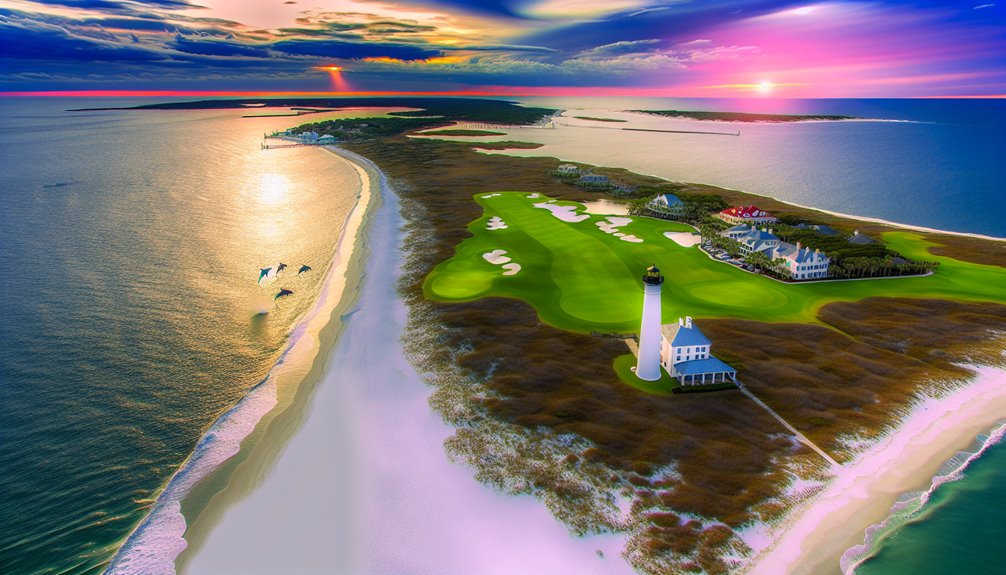
Hilton Head Island is a special place due to its stunning natural beauty, rich historical legacy, and exceptional commitment to environmental conservation. There's plenty to do as well with an array of activities ranging from dolphin tours to exploring the vibrant Gullah culture. Unique landmarks, awe-inspiring wildlife encounters, and a distinct landscape marked by breathtaking beaches and tidal marshes also contribute to its charm. Layer on top a thriving community with state-of-the-art infrastructure and you've got a place like no other. Excitingly, it's in the unraveling of these intricate island layers that Hilton Head truly reveals itself. So, shall we continue exploring?
Unique Landmarks and Structures
While you might initially be drawn to Hilton Head for its stunning beaches and high-end resorts, you'll quickly discover that its charm extends far beyond these attractions. It's the unique landmarks and structures that make Hilton Head a treasure trove of cultural preservation.
We recommend starting your exploration with the oldest standing structure on the island, Zion Chapel of Ease Cemetery. Housing the Baynard Mausoleum built in 1846, it's an architectural marvel, echoing the island's long and layered history.
Next, wander through the Gullah neighborhoods, where time seems to stand still. Historic Mitchelville Freedom Park and other areas maintain the cultural and architectural integrity of freed African Americans post-Civil War. These communities serve as living proofs to resilience and cultural preservation.
For a more modern take on architectural marvels, don't miss the Harbour Town Lighthouse and Yacht Basin. Constructed around the 325-year-old Liberty Oak Tree, the basin is a hub for events and concerts.
Your safety is our priority, so rest assured, these sites are well maintained and accessible. So, come explore Hilton Head and uncover its unique charm beyond the beaches. For those interested in the island's agricultural past and heritage, a visit to the Coastal Discovery Museum at Honey Horn is a must. This cultural center, set on a 68-acre site, offers educational programs on natural history and preserves structures from the early 19th century, reflecting the island's commitment to preserving its past.
Commitment to Environmental Conservation
One of the gems that truly makes Hilton Head stand out is its unwavering commitment to environmental conservation. We're not just talking about the typical 'reduce, reuse, recycle' mantra, but a profound dedication to preserving the island's natural beauty and wildlife, as exemplified by measures such as the Sea Turtle Protection Program. So let's explore how this commitment shapes the unique identity of Hilton Head and why it matters to us all.
Sea Turtle Protection Measures
Why is Hilton Head so renowned for its dedication to environmental conservation? One reason is our turtle monitoring efforts during nesting season, from May through October. Every day, the Sea Turtle Patrol HHI takes to our shores, marking and monitoring an average of 325 nests per season. These nests, primarily from loggerhead turtles, contain about 120 eggs each, which incubate for approximately 60 days.
But our commitment doesn't stop there. We're conscious of the harmful effects of light pollution on hatchlings, who can be disoriented by artificial lighting. That's why from 10 PM to 6 AM, May to October, beach-visible lights are turned off or covered. Businesses like The Westin Hilton Head Island Resort & Spa even use special films on their windows to reduce light impact, and the town enforces these light restrictions.
We also keep our beaches clean, fill in holes, and protect nests with poles and tape. When storms approach, we relocate nests from tidal margins. Moreover, Hilton Head Island's businesses and residents alike contribute to conservation efforts such as the Adopt-A-Nest initiative, a testament to our collective commitment to preserving the environment and the loggerhead sea turtle population. Through it all, we endeavor to educate the public about our conservation efforts. So, you see, our dedication to sea turtles is deeply woven into Hilton Head's fabric.
Preserving Natural Beauty
Hilton Head isn't just a pretty face; it's a champion of environmental conservation, a place where natural beauty is not just admired but actively preserved. The Hilton Head Island Land Trust is at the heart of these preservation efforts, acquiring and managing land to protect the island's unique flora and fauna. The Trust's work has resulted in ecological sanctuaries like the Whooping Crane Conservancy and Cypress Conservancy.
But it's not just about preserving what's already here. Hilton Head is also investing in the future through environmental education in schools, fostering a new generation of eco-conscious citizens. Our children are learning about the importance of their local ecosystems, understanding their role in protecting them.
Sustainable development is another key focus. Since 2019, every new town building must be LEED-certified, emphasizing our commitment to reducing carbon emissions and increasing water conservation. We also promote eco-friendly practices in the ever-popular golfing community.
Hilton Head's protected areas, like the Sea Pines Forest Preserve and Audubon Newhall Preserve, are havens for wildlife and nature lovers alike. With over 60 miles of public pathways and nature trails, we're inviting you to explore and appreciate our island's natural beauty. The Pinckney Island National Wildlife Refuge, a short drive from Hilton Head, is another must-visit site, offering sanctuary to wildlife and stunning coastal habitats (coastal habitats).
Array of Recreational Activities
Brace yourselves for an extraordinary variety of recreational activities that Hilton Head Island offers. From maritime escapades to land-based pursuits, there's something for everyone. First, let's plunge into the outdoor adventures. Get ready for heart-pounding water activities like dolphin tours, kayaking, and paddleboarding through the serenity of Broad Creek. If you're an adrenaline junkie, jet ski rentals and parasailing are also on the menu.
For those who prefer to stay on solid ground, the island beckons with over 50 miles of public pathways for biking, footgolf, and disc golf courses. You can explore the island's vistas at your own pace with bike and e-bike rentals. Recalling the Fishing Boat Rentals, the island also provides inshore and offshore fishing charters, letting you experience the thrill of a big catch.
Now, for our family-friendly adventures. Zipline tours offer a bird's eye view of the island while pirate adventure cruises ignite the imagination with treasure hunts and pirate tales. Safety is our top priority, so all activities are guided and equipped for beginners.
Island's Historical Significance
While the recreational activities on Hilton Head Island are undeniably thrilling, it's the island's rich history that truly sets it apart. Our journey starts in 1521 when Spanish explorer Francisco Cordillo first ventured here. Then came Captain William Hilton in 1663, after whom the island was named. The island's history is etched in its landscape, from 4,000-year-old Native American shell rings to the lands granted to Col. John Barnwell in 1717.
The Civil War era brought significant changes, with the island serving as a Union base for over 12,000 troops. It's here that Mitchelville, a town for freed slaves, was established. This historical preservation of the island's past resonates with us today.
Post-war, Mitchelville became a beacon of cultural heritage, as the first self-governed town of former slaves. From the ashes of war, the vibrant Gullah culture emerged and still thrives in the lowcountry today.
Modern development brought new life to the island. From the creation of Sea Pines Resort to the construction of the bridge to the mainland, Hilton Head Island evolved into a sanctuary that blends history with contemporary living. It's not just an island – it's a reflection of survival and transformation.
Natural Features and Geography
Let's journey now to the natural charm of Hilton Head. We'll explore its unique beaches and tides, and its enchanting barrier island geography. You'll be amazed by the intertwining ecosystems, from sandy shores to lush marshes, that make this island truly special.
Unique Beaches and Tides
Exploring Hilton Head's beaches, you'll quickly discover their unique characteristics and the fascinating interplay of tides that shape each day's activities. Mitchellville Beach is renowned for its natural beauty, with rock barriers visible at low tide, inviting explorers to hunt for treasures. On Folly Field Beach Park, the calm waves and shallow waters are ideal for families, and low tide reveals enticing tidal pools.
The tides, influenced by Earth's rotation and the moon's gravitational pull, deeply affect our beach experiences. Beachcombing is best during low tide, revealing hidden shells and other gems. Biking is also preferred at low tide, allowing smoother rides without wave interference. Fishing enthusiasts look forward to the falling tide, two hours before low tide being most suitable.
The beaches are equipped with public amenities to ensure a comfortable experience. From restrooms and showers to picnic and recreation areas, all are designed with safety in mind. Seasonal lifeguards watch over swimmers at beaches like Coligny and Folly Field during the official beach season, offering peace of mind while you enjoy the unique beaches of Hilton Head.
Exploring Barrier Island Geography
Our journey around Hilton Head Island isn't complete without understanding its unique geographical makeup. As a half-barrier island, it's a fascinating blend of land-locked tidal marshes, sandy coastal areas, and a wealth of wildlife habitats.
At the heart of Hilton Head's charm is its diverse barrier island ecosystems, from the shifting sandy beaches to the lush maritime forests. These natural habitats are havens for a wide array of fauna, including alligators, manatees, and the endangered loggerhead sea turtles.
While we marvel at the island's beauty, it's crucial we're mindful of the dynamic nature of these landscapes. Coastal erosion awareness is vital, as the island's terrain is continually reshaped by ocean surfs. The impact of human activities, such as the construction of Charleston harbor's jetties and local development, has also notably altered the island's size and shape.
Despite these changes, Hilton Head maintains strict eco-friendly guidelines to preserve its natural growth. This commitment to conservation guarantees the island remains a tranquil retreat for wildlife and humans alike. So, as we explore the island's wonders, let's also respect and safeguard its delicate balance.
Community and Infrastructure
Diving right into Hilton Head's community and infrastructure, we find a well-organized and efficient system in place. Three public service districts diligently serve the island, operating in unison on staff training, hurricane operations, and future water supply planning. It's comforting to know there's no lead piping in the water distribution system, ensuring safe, clean water for all.
Infrastructure development is a top priority here, with projects like the ongoing construction of a new drinking water well and the scheduled improvements to the Sea Pine Drive and Lighthouse Lane. These initiatives aim to enhance stormwater maintenance capabilities and roadway conditions, reassuringly preparing the island for future generations.
The island's airport is also a crucial cog in the infrastructure wheel. Recently awarded a $300,000 grant for upgrades, it continues to connect residents and visitors to national destinations. Its convenient location near hotels and house rentals truly underlines its importance.
Community engagement is apparent in Hilton Head's dedication to environmental sustainability. The community's commitment to protecting its natural beauty, endangered sea turtles and reducing single-use plastic consumption truly sets it apart.
The Thriving Gullah Culture
Immersed in the heart of Hilton Head is the deeply-rooted and vibrant Gullah culture. Originating from Africa, their unique language is a blend of English and various African languages, still spoken by about 250,000 people today.
Rich in traditional practices, the Gullah are known for their craftsmanship, including basket weaving, heavily influenced by their African heritage. Their cuisine, which incorporates local seafood and rice, is a mouthwatering representation of their culture. Music, art, and storytelling play a crucial role, making their culture as colorful as it is intriguing.
Cultural celebrations abound on the island, with the Hilton Head Island Gullah Celebration being recognized as one of the "Top 20 Events in the Southeast." Tourists can also experience Gullah culture through museums, historic sites, and cultural tours, which provide an authentic cultural experience led by native islanders.
Despite the modernization of Hilton Head, the Gullah culture continues to thrive and flourish, thanks to preservation efforts by the Gullah Museum of Hilton Head Island and the Palmetto Trust for Historic Preservation. Indeed, this thriving culture is one of the many elements that make Hilton Head so special.
Hilton Head's Pre-Civil War Era
Stepping back in time, let's explore Hilton Head's Pre-Civil War era, a period filled with historical complexity and cultural shifts. The island's history predates the nation, with Native American tribes like the Escamacu and Yemassee shaping its early narrative. The Colonial influences, however, truly defined the island's character.
In the 1700s, European settlers began to transform the island into a hub of plantation life. Working plantations, over twenty in number, sprouted up, cultivating rice, indigo, and cotton. These plantations were powered by the labor of enslaved West Africans, a painful yet significant part of the island's history.
Simultaneously, Hilton Head's strategic location and fertile land sparked the interest of military minds. Defensive structures were erected, guarding against potential Spanish and Native American attacks. Despite the island's tranquil appearance today, it was once a critical defensive point during times of regional conflict.
Underneath the island's natural beauty and charm, Hilton Head carries a deep historical significance. Its Pre-Civil War era is a tribute to its resilience and the diverse influences that have shaped it over centuries. This rich history adds a unique depth to the island's allure, making it even more special.
Experiencing Hilton Head's Wildlife
Unfolding the map of Hilton Head's rich biodiversity, we're greeted by a vibrant array of wildlife that brings the island's natural scenery to life. Our wildlife encounters begin with marine life exploration, where we can marvel at bottlenose dolphins engaging in strand feeding, a unique spectacle that's certain to create unforgettable memories.
Birdwatching opportunities are abundant too, with species like the Great Blue Heron, a towering bird that plays an important role in keeping the alligator population in check. For those with a keen eye, the snowy egret, osprey, and white ibis are also present, adding a delightful variety to our nature tours.
Venturing into the terrestrial domain, we might spot the American alligator, opossum, or even the elusive white-tailed deer. But it's the protected loggerhead sea turtle that truly symbolizes Hilton Head's dedication to conservation. Nesting season is a special time to visit, but remember, we must respect their space and follow guidelines to guarantee their survival.
Hilton Head's wildlife is not just diverse, it's a proof of the island's thriving ecosystem. So let's explore safely and responsibly, cherishing each encounter.